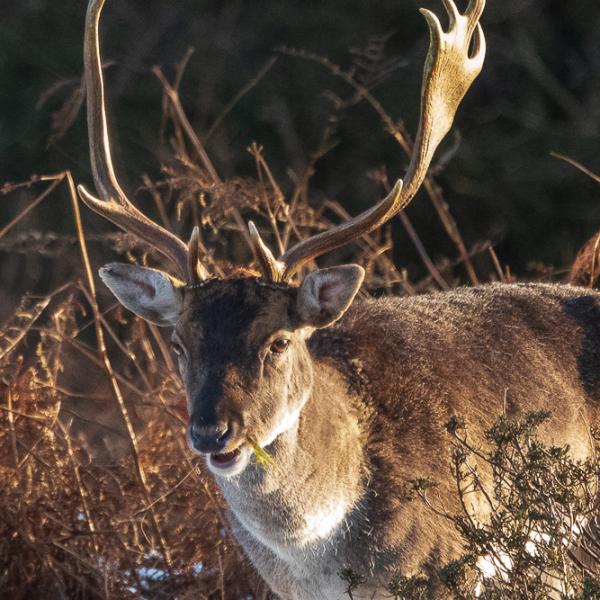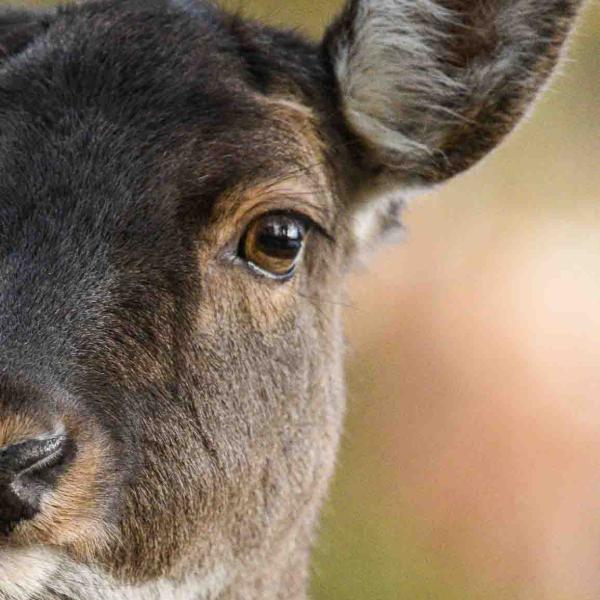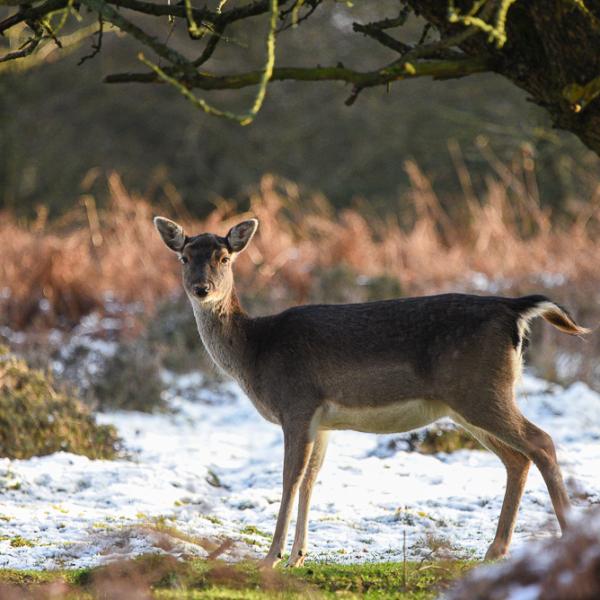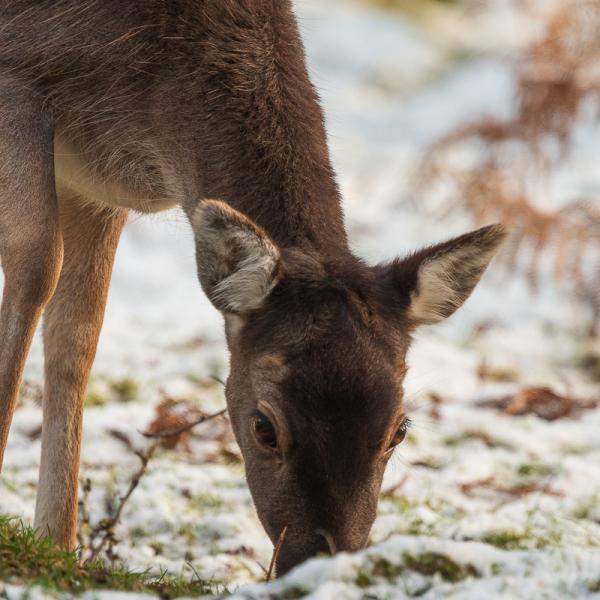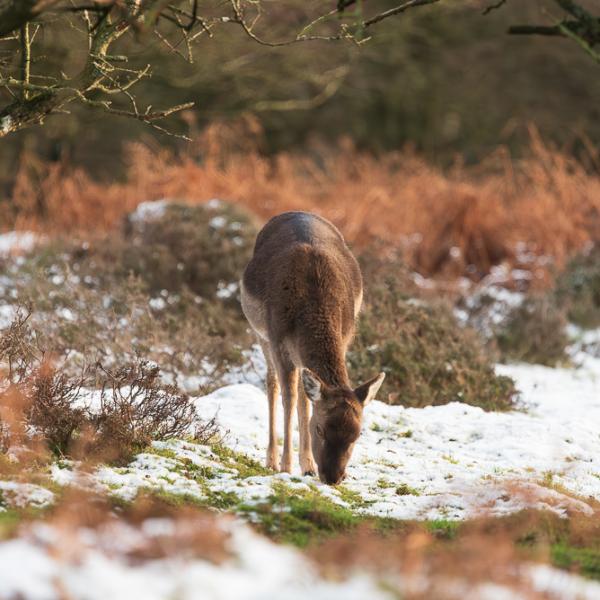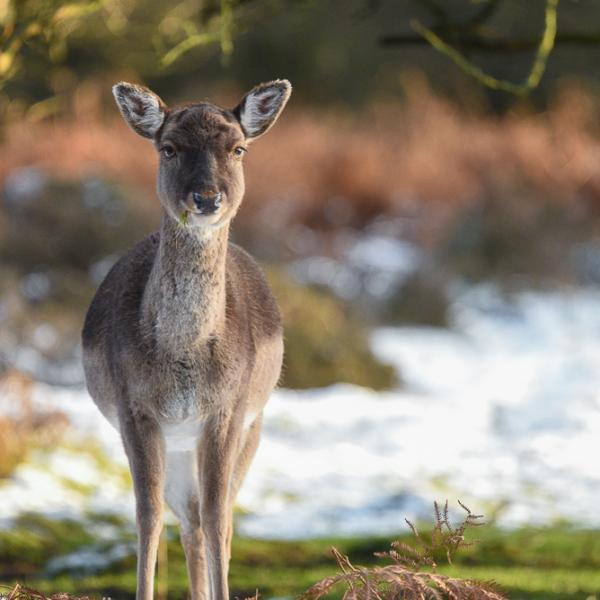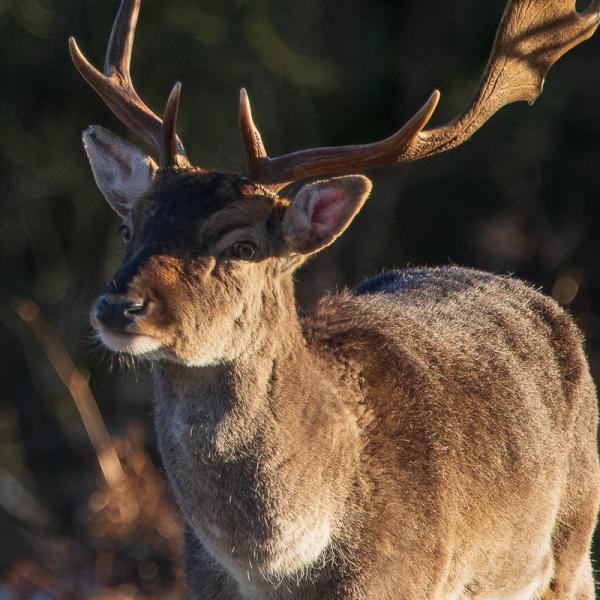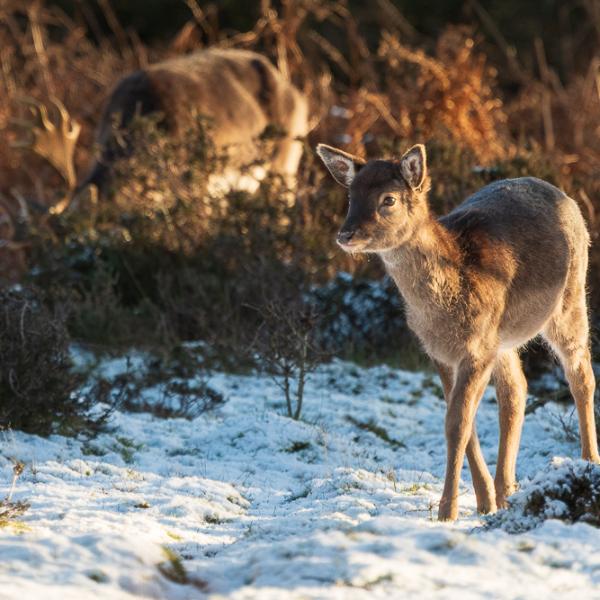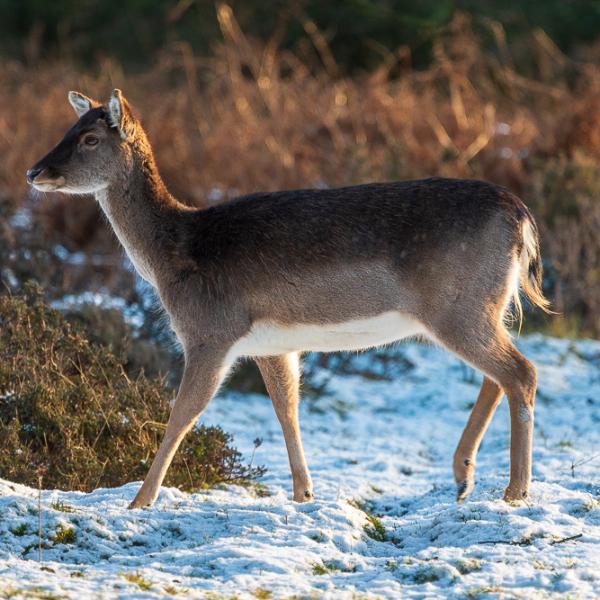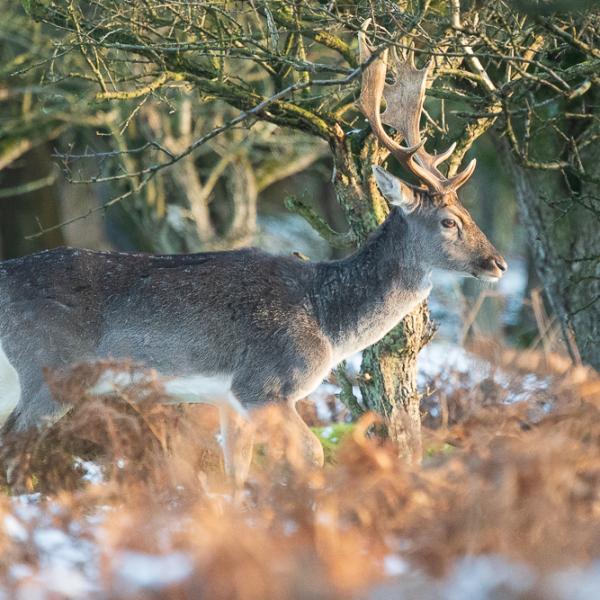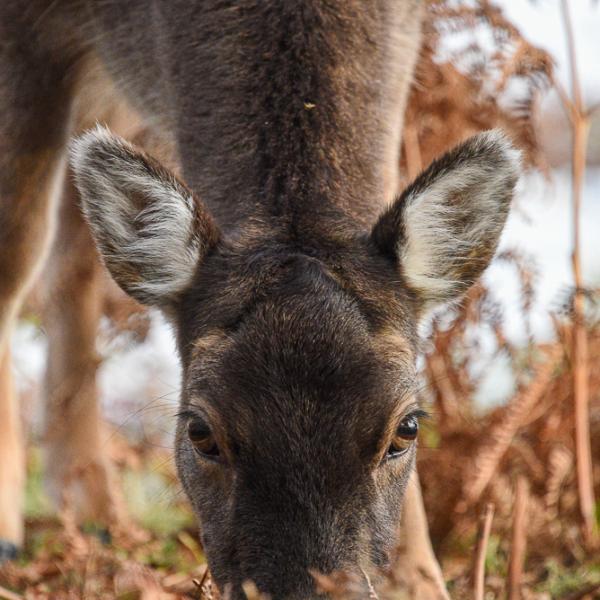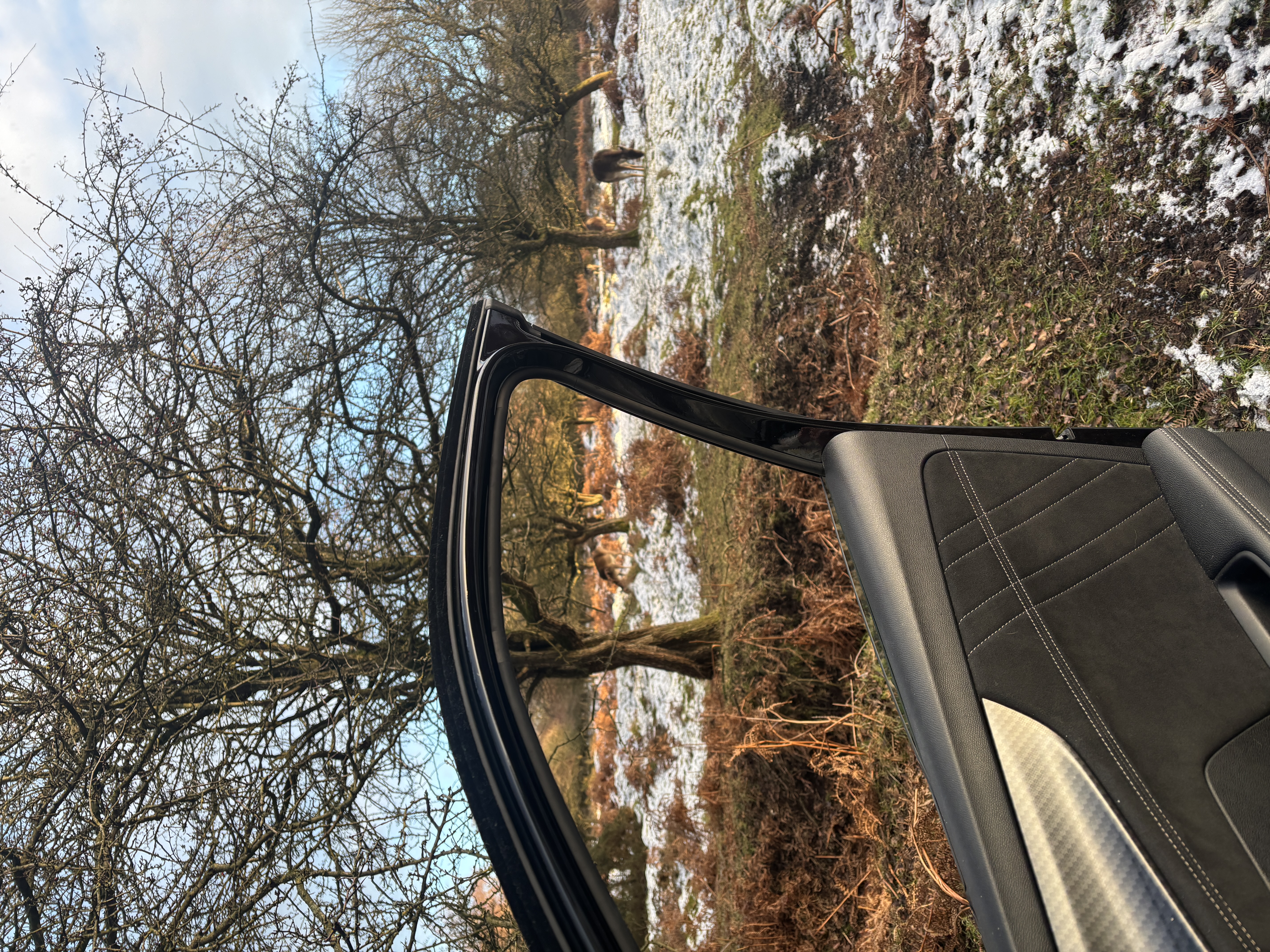
I opened the car door, and the deer were just… there.
Of course, I suspected they would be. There is one of my regular stomping grounds and has been since childhood. It’s familiar, comforting, and quietly reliable. What’s changed is me.
These days my mobility and strength aren’t what they once were, so the fact the deer were right there meant I didn’t have to lug camera equipment around or push myself beyond what was sensible. I could just… be.
So this day:
No long walk.
No scrambling over uneven ground.
Just me, the camera, and a moment I didn’t have to earn the hard way.
Some days walking far isn’t possible. Sometimes it’s pain. Sometimes fatigue. Sometimes balance, or confidence, or all of the above. Photography shouldn’t be gated behind physical endurance — and yet it so often feels like it is.
Let’s say this plainly
- Shooting from the car is still photography
- Accessible locations aren’t “cheating”
- Patience > distance
- Observation > suffering
(Yes, I’m repeating that. It matters.)
The Sunday-after-Christmas reality check
This particular Sunday, the day before most people returned to work after Christmas, was heaving. Hardly the quiet, solitary wildlife moment people imagine.
People didn’t simply pass through the deer’s space - they pursued the stag, phones raised for photos and video. Each step closer forced him to pause, change course, and calculate his escape. What looked like content-gathering from a distance was, in reality, pressure.
I stayed put.
I didn’t chase the shot.
I didn’t move closer.
I didn’t try to “make” anything happen.
I just sat still and let the world move around me.
And eventually, the deer settled again.
What respectful wildlife photography actually looks like
- Staying still and letting animals choose their own path.
- Watching behaviour before lifting the camera.
- Accepting the photo you’re given, not chasing the one you want.
- Using focal length, not footsteps, to fill the frame.
- Lowering the camera, or the phone, when an animal shows signs of stress.
- Not coaxing wildlife with food - this can make them vulnerable to poachers as they become less fearful.
Good wildlife photography isn’t about proximity. It’s about patience, awareness, and knowing when not to take the shot.
That’s something mobility has taught me, whether I wanted the lesson or not: stillness isn’t a disadvantage. It’s often the reason the moment happens at all.
Accessibility isn’t a shortcut, it’s a different way of seeing
There’s a persistent idea that “proper” photography requires discomfort - miles walked, heavy kit, aching joints - as though the struggle itself validates the image.
But wildlife doesn’t care how far you walked.
It cares whether you were quiet, still, and paying attention.
Some of my favourite and most reliable places involve:
- lay-bys
- car parks
- quiet lanes
Even my mother-in-law’s back garden has been fantastic for birds and squirrels.
Many nature reserves and wildlife sanctuaries now publish accessibility information, including whether hides have stepped access. One hide I visited in the summer was just metres from the car park and had lower windows designed for wheelchair users. On that day, nothing much happened on the lake - wildlife has a wicked sense of humour - but the access itself mattered.
A gentle but important note on respect
Accessible photography doesn’t mean entitled photography.
- Don’t push into animals’ space
- Don’t block paths or hides
- Don’t chase the moment
If you’re still, patient, and respectful, wildlife often comes closer on its own terms — and that’s always the better photograph.
A few things that genuinely help
- Early mornings usually mean less movement and more wildlife
- Let the camera do the work (reach and stabilisation are your friends)
- If the moment comes to you, take it — don’t apologise for how it happened
That day with the deer reminded me that photography doesn’t have to look a certain way.
Sometimes it isn’t about how far you go.
It’s about being open when something wonderful happens right where you are.
🎥 Related video
I shared a short video of this moment on TikTok — filmed from the car, quietly, without disturbing the deer.
Watch the clip: https://www.tiktok.com/@gail.photography/video/7591621539360017686?is_from_webapp=1&sender_device=pc&web_id=7570397492823934486
(Yes, it still counts.)